


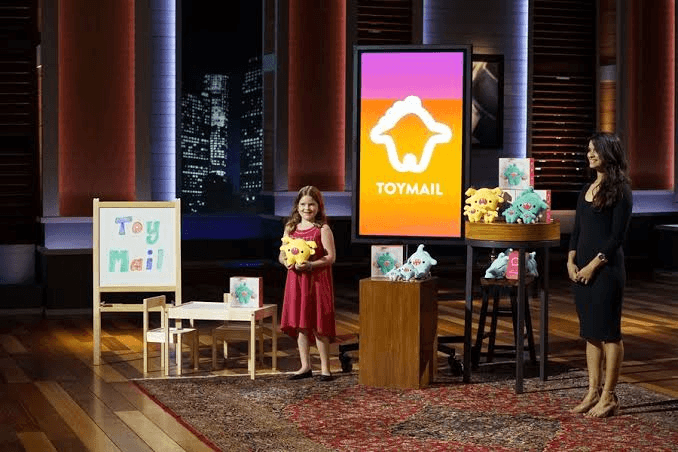
Toymail appeared on Shark Tank in 2017 with a $600,000 deal on the table and a product that genuinely appealed to parents. Then, within about a year, the company quietly disappeared. No announcement, no farewell post — just silence.
If you’ve been searching for answers, here’s a straight answer: Toymail is out of business. This article covers what the record shows, what the company actually was, what went wrong, and what it means if you still own one of their devices.
Toymail Is Out of Business — Here Is What the Record Shows
Toymail filed for bankruptcy in November 2018 and ceased operations by the end of that year. This is confirmed by multiple independent sources including PitchBook, which lists Toymail’s status as “Out of Business,” and YCDB, which labels it simply as “Dead.”
The company’s website is offline. Social media accounts went silent in 2019 and have not been updated since. Products that were briefly still listed on Amazon have since become unavailable.
One website claims Toymail is “not out of business” and still operating. That claim conflicts directly with everything else on record — bankruptcy filings, startup databases, and multiple Shark Tank follow-up sources that all point to the same conclusion. That claim appears to be outdated and should not be treated as accurate.
The answer is clear: Toymail closed around late 2018 and is not coming back.
What Toymail Was and Why It Got Attention
Toymail was founded in 2013 by Gauri Nanda and co-founder Audrey Hill. The company made connected plush toys called Talkies — stuffed animals built with a small module that let kids send and receive voice messages with family members through a mobile app.
The key pitch was simple: no screen required. Kids could communicate with parents and grandparents through a toy they already loved. That angle was genuinely different at the time, especially as parents were growing more uncomfortable handing smartphones and tablets to young children.
The product wasn’t a standalone toy, though. It depended entirely on a working app and a cloud service called Toymail Cloud to route voice messages. Without both running, the toy was just a stuffed animal. That dependency would become a serious problem later.
Still, the concept was strong enough to attract real investor interest and land the founders on national television.
The Shark Tank Deal and Why It Did Not Save the Company
Toymail appeared on Shark Tank Season 8 in 2017. On air, Lori Greiner and Chris Sacca agreed to invest $600,000 for 5% equity — which put the implied company valuation at around $12 million. Some sources estimate the company’s net worth at that point as approximately $10 million.
The problem is that deal never closed after filming. Toymail never received that capital.
This is more common than most people realize. A handshake on Shark Tank is not a signed term sheet. Due diligence happens after the cameras stop, and deals fall apart for various reasons — terms change, financials don’t hold up, or both sides walk away.
The Shark Tank appearance did give Toymail a visibility boost and likely drove a short-term spike in sales. But visibility is not the same as capital, and without the funding runway the deal would have provided, the company couldn’t sustain its growth. The appearance bought time. It didn’t solve the underlying business problems.
It would be too simple to say the failed deal killed Toymail. It was one factor among several. But it clearly removed a lifeline the company was counting on.
Why Toymail Failed — The Specific Business Problems
There are a few distinct reasons Toymail couldn’t survive, and they’re worth breaking down separately because they apply to a lot of hardware startups, not just Toymail.
Sales Could Not Sustain the Business
After the initial Shark Tank buzz faded, demand for the product wasn’t strong or consistent enough to keep the company solvent. Consumer hardware often gets a spike at launch or after media coverage, but maintaining that momentum requires ongoing marketing, distribution, and retail partnerships — all of which cost money.
Toymail apparently couldn’t convert the early attention into durable, repeatable sales. Reports at the time of bankruptcy pointed to low sales as a primary driver of the collapse.
The Connected Hardware Cost Problem
This is where Toymail’s business model had a structural flaw. When you sell a connected toy, you’re not just selling a product once. You’re committing to ongoing costs: server infrastructure, app updates, security patches, customer support, and cloud service maintenance.
Think of it like selling a printer. A printer looks like a one-time sale, but the real ongoing cost is ink, maintenance, and support. Toymail sold the printer without a reliable way to cover the ink. There was no subscription model, no recurring revenue stream, and no way to keep funding the infrastructure that made the product work.
Every Talkie sold actually created an ongoing cost obligation. The more units sold, the higher the server load and support demand. Without a revenue model that scaled alongside those costs, growth made the problem worse, not better.
Competition From Bigger Players
The kids communication and connected toy space attracted serious competition as it grew. Large consumer electronics brands and tech platforms had the budgets, distribution networks, and brand trust to reach parents at scale. A small startup trying to compete in that space had to be very well funded and very precise in its execution.
Toymail was neither by the time things fell apart.
Privacy and Security Demands
Connected toys for children carry significant compliance and security obligations. Products that collect or transmit kids’ voice data face real regulatory scrutiny. Managing that with limited resources adds cost and complexity that larger companies can absorb but smaller startups often can’t.
What This Means If You Still Own a Toymail Device
If you have a Toymail Talkie sitting in a closet or if you find one secondhand, here’s what you need to know practically.
The company is gone. That means no customer support, no warranty, and no guarantee that any app or cloud infrastructure is still running. Toymail Cloud was the backbone of how the toy communicated — without that service active, the device can’t route voice messages the way it was designed to.
Buying a defunct connected toy is similar to buying an old smartphone after its app store has shut down. The hardware may be intact, but the core functions depend on services that no longer exist.
If you’re a parent considering picking one up from a resale listing: the toy is unlikely to work as intended, and there is no one to contact if it doesn’t. It is not a functional purchase at this point.
The Broader Lesson for Founders and Investors
Toymail’s story follows a pattern that shows up repeatedly in consumer hardware startups, especially those built around connected devices for a niche audience.
A clever idea, genuine press coverage, and even a high-profile TV appearance are not enough on their own. The business model has to support the ongoing obligations that come with a connected product. A one-time sale price rarely covers years of server costs, updates, and support. If there’s no recurring revenue, the math only gets harder over time.
For anyone building something similar, the Toymail case is worth studying carefully. The product was real. The market interest was real. The failure was structural — the kind that kills companies even when the core idea was sound. Resources like TheBizAgenda regularly cover these kinds of business model dynamics for founders who want to avoid the same traps.
Final Word
Toymail is out of business. The company filed for bankruptcy in November 2018 and had stopped operating entirely by the end of that year. The Shark Tank deal didn’t close, sales couldn’t sustain the business, and the connected hardware model created costs the company had no reliable way to cover.
If you find claims online that Toymail is still operating, those sources are outdated. The weight of evidence — from PitchBook, YCDB, multiple Shark Tank follow-up sites, and the absence of any online activity since 2019 — all points to the same conclusion.
The product was a genuinely creative idea. The execution and the business model, ultimately, weren’t enough to keep it alive.
Also Read This:
