


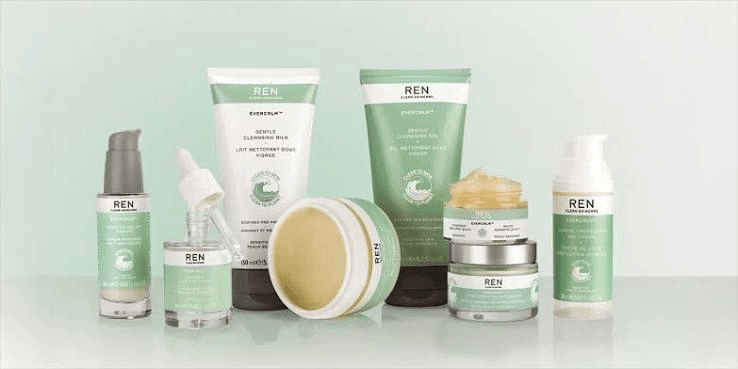
REN Clean Skincare is shutting down. This is not a rumor or a rebrand — Unilever confirmed the closure on May 1, 2025, after 25 years of the brand being in business. Products are expected to stop being sold by the end of Q3 2025, though availability will vary by country and retailer.
If you use REN products or follow the skincare industry, here is everything you need to know: why it is closing, why Unilever chose not to sell it, what the timeline looks like, and what current customers should do before stock runs out.
Yes, REN Skincare Is Closing Down
Let’s be direct: REN is closing permanently. Unilever has begun what it calls “formal steps to close the REN business.” This is a shutdown — not a spin-off, not a sale to a private equity buyer, not a rebranding exercise.
Unilever announced this on May 1, 2025. The company expects to cease trading by the end of Q3 2025, which puts the general cutoff around September. However, The Independent reports that in at least one market, the UK, the brand closed its doors on July 31.
Stock clearance at third-party retailers may push product availability slightly further into late 2025. British Beauty Blogger notes that full stock clearance could run into November or December at some outlets. But the brand itself is gone — do not assume products will be easy to find past Q3.
If you are in a specific country or shop at a specific retailer, check directly with them. Closure timing is not the same everywhere.
Why Unilever Closed REN Instead of Selling It
This is the question most people ask once they hear the news. If the brand has loyal customers and 25 years of history, why not just sell it to someone who wants it?
The short answer is that there were no willing buyers at a reasonable price. According to reporting from BeautyIndependent and CosmeticsBusiness, REN had become effectively worthless as an acquisition target. When a brand reaches that point, closing it is cheaper and cleaner than trying to offload it at a loss.
Unilever’s official statement cited “a combination of internal factors, compounded by market challenges in recent years” that left the brand unable to sustain long-term success. That is corporate language for: the brand was not growing, the strategy was not working, and the market had moved on.
When a portfolio brand misses growth targets repeatedly and carries low brand equity, large companies typically have three options: fix it, sell it, or close it. Unilever tried the first, explored the second, and landed on the third.
What Went Wrong at REN After the Unilever Acquisition
Unilever acquired REN in 2015. At that point, the brand had a real edge. It was one of the early movers in “clean beauty” — products marketed as free from certain controversial ingredients, with a focus on skin-friendly formulas and eco-conscious packaging. That positioning was genuinely different at the time.
The problem is that “clean beauty” stopped being different. Over the next decade, it went from a niche identity to a mainstream marketing claim used by hundreds of brands. When everyone says their products are clean, the word stops meaning anything. REN’s core selling point became background noise.
Think of it like a tech company that invented a product category but stopped iterating while larger competitors caught up. Once the category is commoditized, you need a new reason to exist. REN did not find one.
Innovation Stalled
CosmeticsBusiness analysis points to limited product innovation as a key factor. Newer brands — particularly those with science-backed or dermatology-led positioning — moved into the premium skincare space and took market share. REN was not keeping pace with that shift.
Eco-friendly packaging, once a genuine differentiator for REN, became standard practice across the industry. That removed another point of distinction. The brand was left with fewer and fewer reasons for a customer to choose it over a competitor.
US Market Difficulties
REN also struggled in the US market. Distribution and messaging were reportedly difficult to execute, which is a significant problem for a brand trying to grow under a conglomerate’s ownership. Unilever expected scale and growth. REN was not delivering either consistently enough.
The Post-Acquisition Identity Problem
After the acquisition, REN ended up in an uncomfortable middle position. It was not fully independent, but it also was not fully integrated into Unilever’s scale advantages. The brand strategy lost clarity. That is a common pattern when niche brands get absorbed into large portfolios — they lose the agility that made them interesting without fully gaining the resources that make big brands powerful.
What Current REN Customers Should Do Now
If you are a regular REN user, here is what is practical and worth knowing before the brand disappears from shelves.
Your Existing Products Are Fine to Use
Closure does not affect product safety or formula quality. Any REN products you already own can be used safely up to their expiry date. Treat them the same way you would any other skincare product — check the date on the packaging and store them properly.
Take Advantage of the Closing Sales Now
Closing sales are already running with discounts of 30–50% across REN’s range. If you have a product you genuinely rely on — a toner, a moisturizer, a serum — now is the time to stock up. Once stock is gone from the brand’s own channels, you will be relying on whatever retailers still have left, and prices at secondary markets are unlikely to be as good.
Be realistic about how much you will actually use. Skincare has a shelf life, and buying ten backups of a moisturizer only makes sense if you will get through them before they expire.
Start Looking for Alternatives Now
Do not wait until your last bottle runs out. If you have products you depend on — especially for sensitive skin — start researching alternatives now while you still have time to test them. Look for brands that match your priorities: similar ingredient standards, comparable formulas, and sustainability credentials if that matters to you.
Check Retailer Return Policies
Once REN’s own operations wind down, customer service will fall back to individual retailers. If you have any open orders or issues, resolve them directly with REN while the business is still operating. After closure, warranty and return handling will depend entirely on where you bought the product.
What REN’s Closure Tells Us About Niche Brands Inside Big Companies
REN’s story is a useful case study for anyone in the business of building or acquiring niche brands. A few clear lessons come out of it.
First, being an early mover in a trend is not a permanent advantage. REN helped define clean beauty. That was valuable — until it was not, because everyone else caught up. First-mover advantage only lasts if you keep innovating.
Second, acquisition by a large conglomerate brings resources but also pressure. Growth targets, margin expectations, and portfolio fit all become part of the picture. A brand that thrived as an independent can struggle to meet the metrics a multinational needs to justify keeping it.
Third, brand equity can erode quietly until there is no floor left. REN did not have a scandal or a product recall. It just slowly became less relevant, less distinct, and less competitive. By the time Unilever tried to sell it, there were no buyers because the brand had nothing distinctive enough left to buy.
For founders thinking about selling to a large FMCG company, REN is worth studying. The acquisition may bring capital and distribution, but protecting what made the brand worth buying in the first place requires active effort — not just from the founder, but from the acquiring company’s strategy team. That alignment is harder to achieve than most deal negotiations account for.
If you want more practical analysis of business decisions like this one, TheBizAgenda covers real business cases with a focus on what actually matters for operators and decision-makers.
The Bottom Line
REN Clean Skincare is closing. Unilever confirmed it on May 1, 2025, trading is expected to stop by the end of Q3 2025, and no sale or relaunch has been announced. The brand ran out of competitive relevance, not customers who cared — which makes it a more instructive story than a simple business failure.
If you use REN products, stock up now at discounted prices and start testing alternatives before your supply runs out. If you are watching this from a business perspective, the lesson is straightforward: a strong category position at launch is not a strategy — it is a starting point.
Also Read This:
