


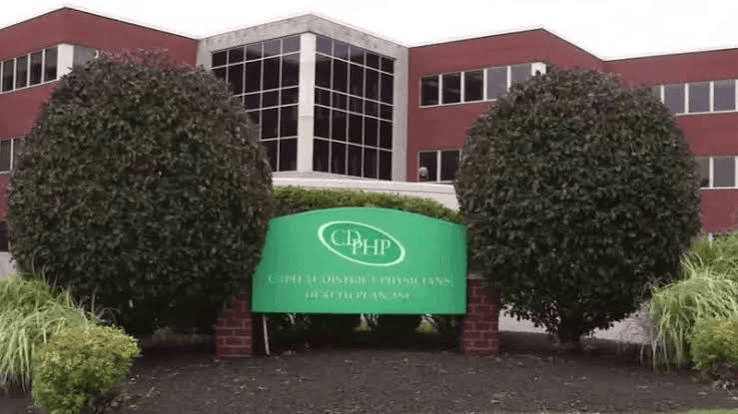
CDPHP members across upstate New York have been getting notices about discontinued plans, payment disputes with major hospitals, and coverage exits in certain counties. It’s enough to make anyone wonder: is my insurer about to shut down?
The short answer is no — at least not based on anything currently documented. But the longer answer is more useful. What’s actually happening at CDPHP right now is a mix of plan restructuring, regulatory-driven changes, and a high-profile contract fight. None of it is the same as a company closing its doors.
Here’s a clear breakdown of what’s going on, what it means for members, and how to tell the difference between a company winding down and one adjusting its business.
CDPHP Is a Regional Insurer — That Context Matters
Capital District Physicians’ Health Plan is based in Albany, NY, and serves upstate New York only. It offers commercial plans, Medicare Advantage, Medicaid, and Essential Plan coverage for tens of thousands of members.
Because it’s regional, any change CDPHP makes — dropping a plan, exiting a county, fighting with a hospital — hits a concentrated population fast. Local Facebook groups, community pages, and news outlets pick it up quickly. That visibility can make a targeted change feel much bigger than it is.
This doesn’t mean members should ignore the changes. It means they should read them carefully before assuming the worst.
The Specific Plans Being Discontinued — and Why
There are three concrete changes members should know about. Each one affects a specific group, not the entire CDPHP membership.
Medicare Advantage Value Rx Plan
CDPHP is dropping its Medicare Advantage Value Rx plan, which included prescription drug coverage. Members who are on this plan received notices to choose a replacement before the end of 2025. If they do nothing, drug coverage ends January 1, 2026.
There’s a real penalty risk here. Anyone who doesn’t choose a new Medicare Advantage or Part D plan by February 28, 2026, will face a lifetime Medicare Part D late-enrollment penalty. That’s not a CDPHP fee — it’s a federal rule. This deadline is worth taking seriously.
The key point: CDPHP is still selling other Medicare plans. Dropping one plan in the lineup is not the same as exiting Medicare entirely.
Essential Plan 200–250
CDPHP’s Essential Plan 200–250 — a subsidized marketplace plan for lower-income adults — will end on June 30, 2026. This is not a unilateral CDPHP decision. The plan is ending because of new federal rules taking effect July 1, 2026, that change how this program is structured.
Affected members have a 60-day special enrollment window after coverage ends to move to Essential Plan 1 or CDPHP Medicaid, depending on eligibility. Those transitions happen through NY State of Health.
Medicare Advantage in Otsego County
CDPHP will no longer offer Medicare Advantage coverage in Otsego County starting in 2026. Seniors in that county will need to find replacement coverage through another insurer or a different plan.
This is a service area exit in one county. CDPHP continues to operate in other counties and product lines across the region. Insurers exit specific counties when reimbursement rates, provider networks, or enrollment numbers don’t support continued operations there — it’s common, even if it’s disruptive for those directly affected.
The Albany Med Dispute Is a Contract Fight, Not a Sign of Insolvency
This is the story that has gotten the most attention, and it’s worth explaining clearly.
In fall 2024, Albany Med Health System sued CDPHP, claiming the insurer withheld approximately $45–50 million in payments tied to Medicare wage index adjustments. Albany Med reported roughly $2 million per week in alleged underpayments across about 26,000 claims.
Albany Med warned patients that it may drop CDPHP and become out-of-network in 2025 if the dispute isn’t resolved. That’s a serious warning for people with ongoing care at Albany Med — but it’s a contract negotiation, not evidence that CDPHP can’t pay its bills across the board.
If the contract does terminate, a 60-day cooling-off period applies. During that window, patients continue to receive care at in-network rates. That gives members time to make decisions without an immediate coverage cliff.
This type of dispute has happened before with CDPHP. St. Peter’s Health Partners went through a similar contract clash with CDPHP in 2022. New York Oncology Hematology (NYOH) also publicly negotiated network status with the insurer. Both situations were resolved without CDPHP collapsing. The pattern here is reimbursement disagreements between a hospital system and an insurer — something that happens regularly across the health insurance industry.
A hospital suing an insurer over payment rates is a commercial dispute. It is not the same as regulators stepping in to shut a company down.
What a Real Shutdown Would Look Like — and What We See Instead
If CDPHP were genuinely going out of business, here’s what you’d expect to see:
- An announcement from the New York Department of Financial Services placing CDPHP into receivership or ordering a wind-down.
- A notice from the Centers for Medicare and Medicaid Services (CMS) about plan termination across all lines.
- A company press release announcing it is selling all operations or ceasing coverage entirely.
- Mass cancellations across commercial, Medicaid, and Medicare plans simultaneously.
None of that is happening. What we see instead is a company adjusting specific products and fighting over reimbursement with one hospital system. That’s a very different situation.
Think of it like a regional supermarket chain closing two underperforming locations and dropping one product line from its shelves. That’s not the same as the chain filing for bankruptcy and shutting all stores. Plan discontinuations and provider disputes are the health insurance version of the same kind of adjustment.
It’s also worth noting that CDPHP’s CEO, Brian O’Grady, announced his retirement effective December 31. Leadership transitions happen at stable companies all the time. There’s no evidence in current reporting that links this retirement to financial distress.
What Members Should Actually Do Right Now
If you’re a CDPHP member trying to figure out what applies to you, here’s a practical breakdown:
- On the Medicare Advantage Value Rx plan: Act before the end of 2025. Choose a replacement Medicare Advantage or Part D plan. Missing the February 28, 2026 deadline triggers a permanent penalty.
- On the Essential Plan 200–250: Coverage ends June 30, 2026. You have a 60-day window after that to switch to Essential Plan 1 or CDPHP Medicaid through NY State of Health. Don’t wait until the last minute.
- In Otsego County: Start looking at other Medicare Advantage plans in your area during the next open enrollment period. CDPHP will not be an option there in 2026.
- If you use Albany Med: Watch for updates. If you have ongoing treatment there, ask CDPHP about other in-network options in the area. If you’re on Medicare, consider whether this affects your plan choice during open enrollment.
For anyone unsure about what their specific notice means, calling CDPHP member services directly is the most reliable step. Official communications from the insurer and NY State of Health are more accurate than community posts or secondhand accounts.
How to Evaluate Insurer Rumors in General
CDPHP’s situation is a useful case study for any health plan member trying to separate real financial risk from normal business changes. Here’s a simple framework:
- Check the source. Is the news coming from the insurer itself, a state regulator, or CMS? Or is it a Facebook post or local rumor?
- Look for regulatory action. State insurance departments and CMS publish formal notices when insurers face insolvency or are ordered to stop operating. If nothing shows up there, no shutdown is happening.
- Read the specific change carefully. Is one plan being dropped, or all plans? Is the insurer exiting one county, or every market it operates in?
- Distinguish disputes from closures. A hospital fight is a negotiation. A lawsuit over payments is a legal process. Neither is the same as a company shutting down.
For business owners and HR managers who offer CDPHP coverage to employees, this same framework applies. Monitor official notices, review any member communications your employees may receive, and be ready to assist with transitions if specific plans are discontinued.
Business coverage from sources like TheBizAgenda can also help you track developments like this across industries, so you’re not caught off guard when a vendor or carrier makes a significant change.
The Bottom Line
CDPHP is not going out of business based on any current evidence. What’s actually happening is a combination of plan-level discontinuations driven partly by federal policy, a service area exit in one county, and a contested payment dispute with one hospital system.
These changes are real, and some members will need to act quickly to avoid gaps in coverage or financial penalties. But “my plan is being discontinued” and “my insurer is shutting down” are two very different things — and right now, only the first one applies to CDPHP.
Also Read This:
