


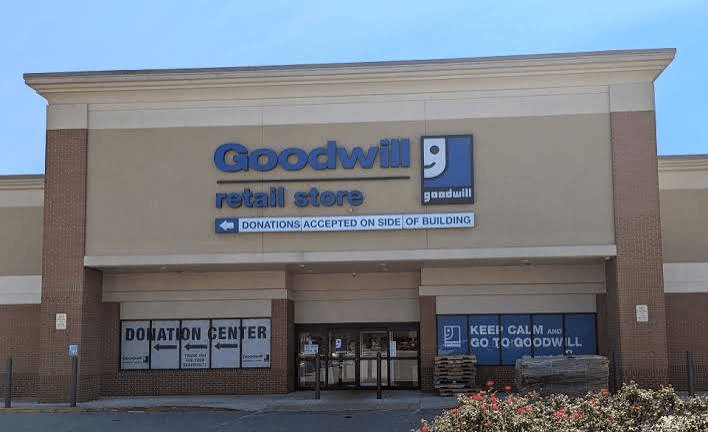
Some Goodwill stores have permanently closed. Properties have been sold. Local shoppers are asking questions online, and rumors are spreading fast. If you’ve seen the headlines, it’s easy to assume something is seriously wrong.
But the financial numbers tell a very different story.
This article breaks down what’s actually happening — why some stores have closed, what those property sales mean, how Goodwill is structured, and whether the organization is genuinely at risk. If you donate, shop, or work with Goodwill in any capacity, here’s what you need to know.
Goodwill’s Current Financial Position
Goodwill is not going out of business. Not nationally, and not based on any current financial data.
In 2025, Goodwill generated over $7 billion in revenue — roughly a 7% increase from the prior year. David Eagles, Goodwill’s COO, described 2025 as the “best year” in the organization’s nearly 125-year history. That’s a direct quote, not marketing spin.
Goodwill currently operates around 3,400 locations and has announced plans to open 100 new stores in 2026. Organizations that are collapsing don’t open 100 new locations.
Part of the revenue growth comes from timing. During periods of economic uncertainty, more people shop secondhand. Inflation pushes cost-conscious consumers toward thrift stores, and that trend has driven higher foot traffic and stronger sales across many Goodwill locations.
Why Certain Stores Have Closed
Store closures are real. But the reasons behind them are practical, not signs of organizational failure.
In California’s Bay Area, one Goodwill affiliate permanently closed 13 locations — including four thrift stores and six donation sites. The affiliate’s own spokesperson explained the reason clearly: store revenues were not covering operational and personnel costs. The locations were also flagged for size limitations and structural inefficiencies.
Specific cities affected included Vacaville, Vallejo, Benicia, and Hayward. Goodwill framed the closures as a move to improve service efficiency for the local community — though the practical effect was fewer donation drop-off points and fewer store options for local shoppers.
Other closures around the country have been linked to rising rents, escalating theft, property damage, and employee safety concerns. In some urban areas, retail theft and break-ins have made certain locations simply unsustainable to operate. That’s a real problem affecting many retailers — nonprofit or not.
These decisions were all made at the local level. No national directive from Goodwill headquarters triggered them.
How Goodwill Actually Works — One Brand, Independent Organizations
This is where most of the confusion comes from. People see the same name on every store and assume one organization is running everything. That’s not how it works.
Goodwill Industries International is an umbrella organization. The actual stores are run by roughly 150 independent regional nonprofits, each with its own leadership, finances, and decision-making. A closure in California has no direct operational connection to Goodwill stores in Texas, Ohio, or Georgia.
Think of it like a grocery chain that licenses its brand to regional operators. If one regional operator closes unprofitable locations in a high-cost city, that doesn’t mean the broader brand is failing. It means one operator made a local business decision based on local conditions.
Financial health, rent costs, community demographics, and donation volume vary significantly by region. That’s why some affiliates are actively expanding while others are consolidating — at the same time, without contradiction.
When you read about a Goodwill closure, the first question to ask is: which affiliate is this, and what are the specific local conditions driving it?
Property Sales Are Not a Signal of Shutdown
The Charlotte-area property sales made headlines and caused some concern. Here’s what actually happened.
Three Goodwill retail properties in and around Charlotte were sold to a local investment firm for nearly $13.3 million. On the same day, Goodwill also sold locations in Monroe for approximately $4.3 million and in Rock Hill for under $4.8 million.
That sounds significant. But selling real estate is a normal part of managing a large organization’s asset portfolio. Nonprofits and businesses alike sell properties to reallocate capital, reduce overhead, or shift to leased space. It’s a financial management decision, not a liquidation signal.
Selling the building that houses a store doesn’t automatically mean the store closes. Leaseback arrangements — where you sell a property and then lease it back from the new owner — are common in commercial real estate. The store may continue operating without interruption under a lease agreement.
Asset sales of this kind reflect strategic adjustment, not financial distress. A struggling organization selling properties to raise emergency cash looks very different from a profitable one rebalancing its real estate holdings after a record-revenue year.
Goodwill’s Nonprofit Status and Where the Money Goes
There’s a persistent narrative online that Goodwill isn’t “really” a nonprofit. It’s worth addressing directly.
Goodwill is a registered 501(c)(3) nonprofit organization. Goodwill Central Texas, for example, has held that status for over 65 years. This isn’t disputed. Donated items sold in stores generate revenue that funds job training programs, employment placement, and other community services. That is the actual mission — retail is the funding mechanism, not the end goal.
Goodwill states that approximately 84 cents of every dollar goes back into its programs. The remaining portion covers support functions like human resources, accounting, and administration. Those aren’t unusual expenses — every organization has them.
That said, Goodwill has faced legitimate public criticism over executive compensation and its pricing practices. Those are real debates worth having. But criticism of specific policies is different from the claim that the organization is fraudulent or not a genuine nonprofit. The legal status and the program spending both hold up to scrutiny.
Goodwill has also expanded into online retail through ShopGoodwill, an auction-style platform where donated items — particularly collectibles and electronics — are listed for bidding. Some donors and shoppers view this as a shift toward more corporate behavior. In reality, it reflects how retail has changed. Moving higher-value items online generates more revenue than selling them in-store at flat prices, and that revenue still supports the nonprofit mission.
If you want to understand how similar organizations balance mission and revenue, resources like TheBizAgenda cover nonprofit and business models in practical terms worth reviewing.
What This Means for Donors, Shoppers, and Job Seekers
If a Goodwill store or donation site near you has closed, the practical impact is real — fewer options, longer drives, less convenience. That’s worth acknowledging.
But it doesn’t mean the organization is shutting down, and it doesn’t mean your donations or purchases stop supporting job training programs. Other locations in your region are likely still operating.
Here’s what you can do practically:
- Check your regional Goodwill affiliate’s website for current store and donation site locations. Each affiliate maintains its own site with accurate local information.
- Follow your local affiliate on social media. Closures, relocations, and new openings are typically announced there first.
- If you’re looking for job training or employment services, contact your regional affiliate directly. These services are tied to local affiliates and availability varies.
- If a donation site has closed nearby, search the affiliate’s site for the next closest active location or mobile donation options.
Temporary store closures due to technical issues — like a system outage that briefly closed all locations in North Central Texas — can also trigger rumors online. These are not the same as permanent closures. If you see something alarming on social media, verify it through the affiliate’s official channels before drawing conclusions.
The Bottom Line
Goodwill is not going out of business. The national picture shows record revenue, active expansion, and a growing customer base driven by consumer demand for affordable goods.
Individual store closures are real and have specific local causes — high rent, theft, safety concerns, and revenue shortfalls at the location level. Property sales are normal portfolio management. And Goodwill’s federated structure means one region’s problems don’t automatically affect another.
If your local store closed, that’s a genuine inconvenience. But it’s a local business decision, not evidence of national collapse. The organization has been around for nearly 125 years and just came off its strongest financial year on record. That context matters.
Also Read This:
